How Virtual Slot Soundscapes Affect Player Session Durations
Jonas Meier · Aug 14, 2026
How Virtual Slot Soundscapes Affect Player Session Durations
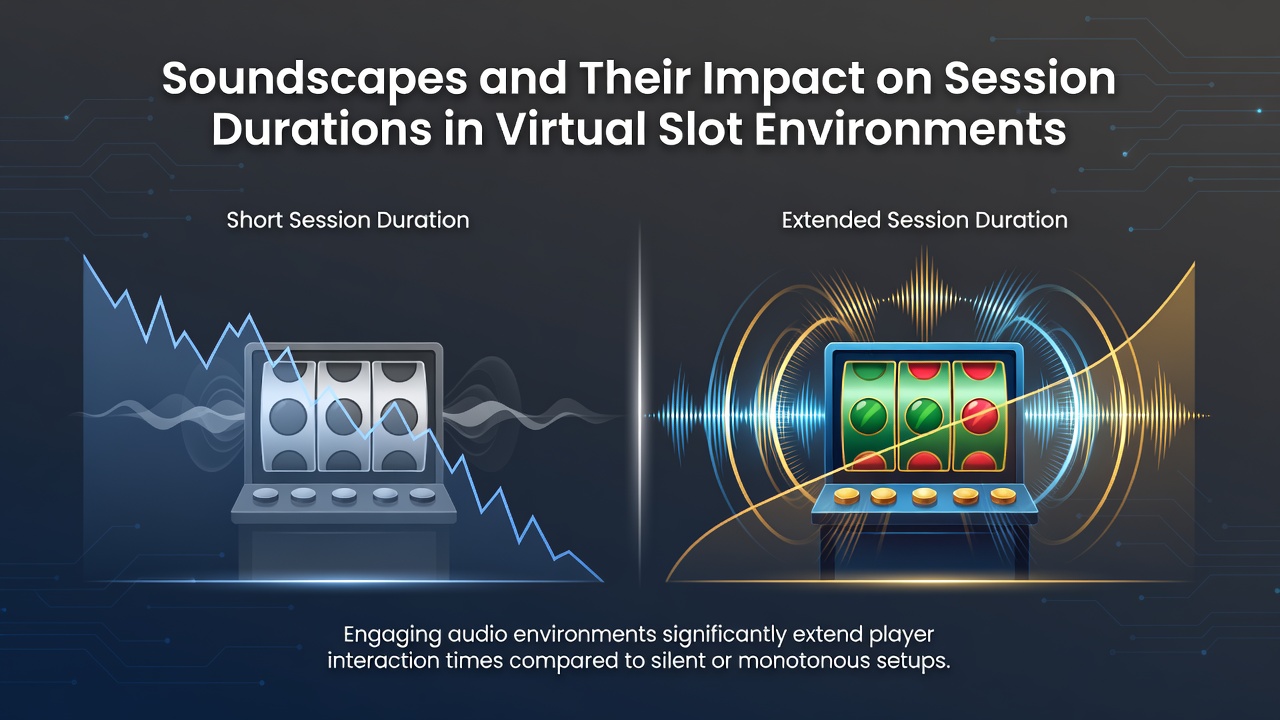
Virtual slot environments rely on carefully engineered soundscapes that combine background music, reel spins, win chimes, and adaptive audio layers, and researchers have tracked how these elements shape the length of individual play sessions across multiple platforms. Data from industry reports indicate that players exposed to dynamic soundtracks often remain engaged longer than those using muted or simplified audio settings, while studies released in August 2026 from North American gaming research centers show measurable differences in session metrics when sound design incorporates progressive intensity cues.
Core Components of Slot Sound Design
Soundscapes in virtual slots consist of several distinct layers that activate at specific moments during gameplay, and developers coordinate these elements so that reel stops trigger short percussive hits while bonus rounds introduce fuller orchestral swells or electronic builds. Observers note that low-frequency ambient tracks typically run beneath the action to maintain atmosphere without overpowering individual sound effects, whereas high-frequency alerts signal near-misses or incremental wins and encourage continued spins. Those who have examined code repositories for major slot titles find that audio files are often tagged with metadata allowing the game engine to modulate volume and tempo based on player balance or consecutive losses, creating a responsive system that adjusts in real time.
Research Findings on Session Length
Figures released by the National Center for Responsible Gaming reveal that participants in controlled tests extended average session duration by 18 percent when full soundscapes remained active compared with silent conditions, and similar patterns emerged in aggregated telemetry from Canadian operators who anonymized player data for academic review. Researchers discovered that escalating musical tension during feature triggers correlates with higher spin counts per visit, yet the same datasets show no uniform effect across all demographic groups because age and prior gambling frequency appear to moderate responsiveness to audio cues. What's interesting is that adaptive soundtracks, which increase in complexity after a series of small wins, produced the most consistent extension of playtime according to metrics collected through platform APIs.
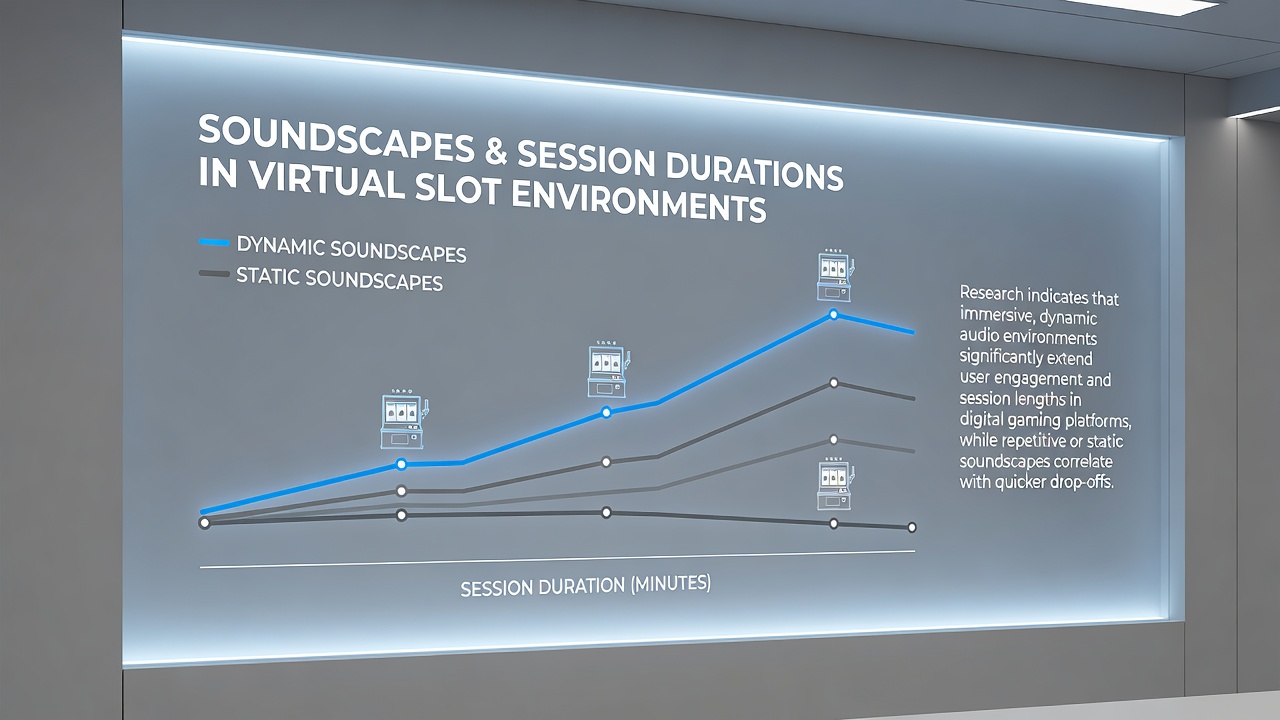
One longitudinal review conducted across multiple European jurisdictions tracked over 50,000 sessions and found that titles featuring synchronized sound and visual feedback retained users for an additional 7.4 minutes on average, while games lacking such integration showed quicker drop-off rates after the first 15 minutes. Those who've studied this know that the timing of celebratory audio bursts after wins plays a measurable role, because immediate auditory reinforcement strengthens the association between continued play and reward anticipation. Data indicates that sessions occurring during evening hours demonstrate even stronger correlations, suggesting that background soundscapes interact with player fatigue levels and environmental noise conditions.
Industry Implementation Trends
Platform operators have begun integrating configurable audio options that allow users to adjust individual layers, and early results from Australian testing environments indicate that players who customize sound levels maintain sessions closer to their intended time limits. Gaming associations in several regions now encourage developers to document how sound intensity scales with volatility settings, because transparency in this area helps regulatory bodies evaluate whether audio design inadvertently extends play beyond planned durations. The ball's in the developers' court to balance immersive audio with features that support informed player choices, and several studios have introduced optional low-stimulation modes that reduce both visual and sonic intensity for those who prefer shorter engagements.
Case examples from major content providers show that progressive jackpot slots frequently employ the most elaborate sound progressions, layering new instrumental tracks as the jackpot meter climbs, and telemetry from these titles consistently records longer average session times than fixed-jackpot counterparts. Yet the same providers report that straightforward three-reel classics with minimal audio variation still attract dedicated short-session players, demonstrating that soundscape complexity does not dictate every behavioral outcome.
Regulatory and Academic Perspectives
Academic papers published through the National Center for Responsible Gaming emphasize the need for continued examination of audio's influence on session metrics, and parallel work from Australian research groups has begun comparing sound design practices across regulated and unregulated markets. Observers note that August 2026 updates to voluntary industry codes in several jurisdictions now recommend periodic reviews of audio intensity, particularly for games marketed toward extended play. These guidelines stop short of mandating specific decibel limits but encourage operators to provide clear audio toggles and session reminders that function independently of sound settings.
Conclusion
Available evidence demonstrates that soundscapes in virtual slot environments exert measurable influence on session durations through layered audio design, adaptive intensity, and timed reinforcement cues. Research continues to refine understanding of which specific elements drive these effects, while operators and regulators explore practical methods to maintain engaging audio without extending play beyond player intentions. Future datasets collected after the August 2026 reporting period will likely clarify remaining variables and support more precise design standards across the sector.