Mapping Tiered Loyalty Benefits Across Integrated Gaming Platforms for Player Retention
Jonas Meier · Aug 9, 2026
Mapping Tiered Loyalty Benefits Across Integrated Gaming Platforms for Player Retention
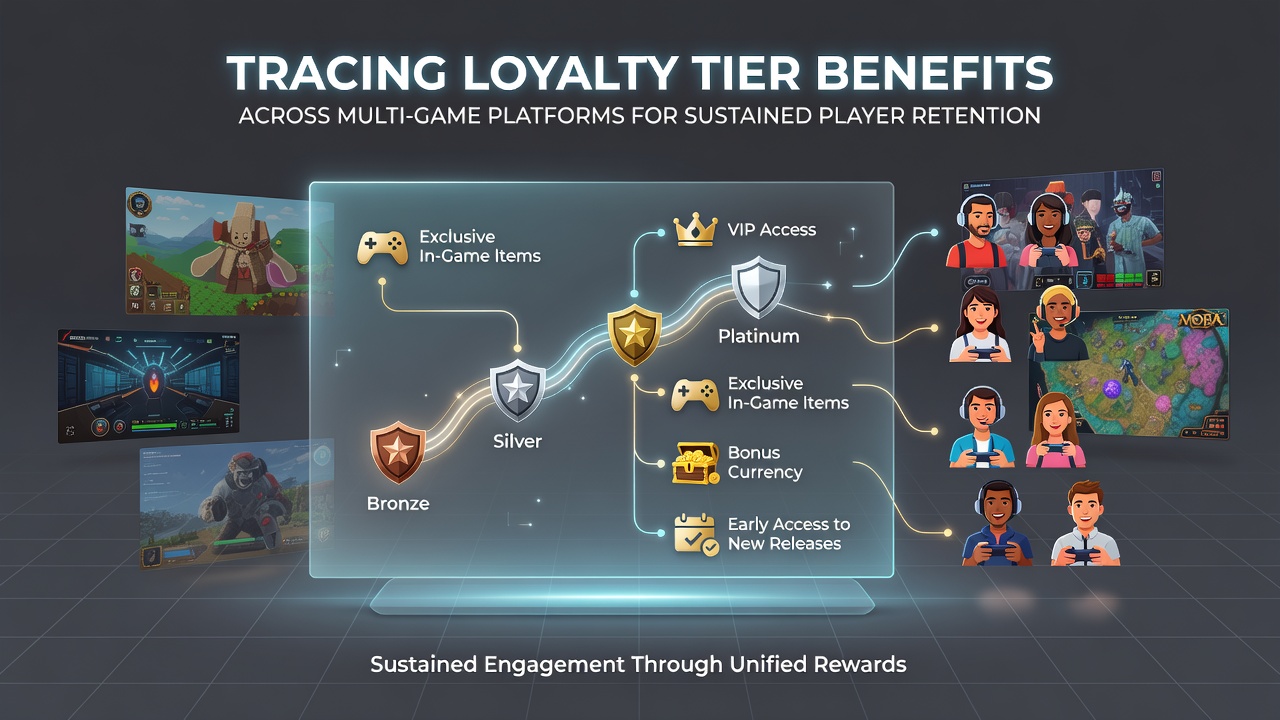
Data from industry reports shows that tiered loyalty systems now operate across multiple game types including slots, table games, and live dealer options, with points accumulating from each category to unlock escalating benefits that encourage continued participation, and researchers at several academic institutions have tracked how these structures maintain engagement over extended periods by offering scaled rewards such as increased cashback percentages, priority access to new releases, and personalized promotions.
Observers note that platforms integrating loyalty tiers across diverse game libraries allow players to move seamlessly between genres while their status level remains consistent, which creates a unified progression path rather than isolated trackers for each title, and this approach has gained traction as operators seek to address retention challenges in competitive markets where users often sample multiple sites.
Core Mechanics of Tier Progression
Tier systems typically divide participants into levels based on cumulative activity measured over rolling periods, with entry thresholds calculated from total wagers or time spent across all available games, while higher tiers unlock benefits like reduced wagering requirements on bonuses and exclusive tournament entries that apply uniformly regardless of the specific game category selected.
Studies conducted by university research teams indicate that players who reach mid-tier status demonstrate longer session durations because the accumulated perks offset variance in individual game outcomes, and platforms often adjust tier qualification criteria seasonally to align with peak activity windows such as holiday periods or major sporting events that drive cross-game traffic.
Cross-Platform Reward Integration
Multi-game environments enable loyalty points earned from one category to contribute directly to tier advancement that affects rewards in others, so a player accumulating volume in high-volatility slots can apply the resulting status to secure better table game limits or live dealer perks, and this interconnected model reduces the incentive to switch providers since status resets would require rebuilding from lower levels.
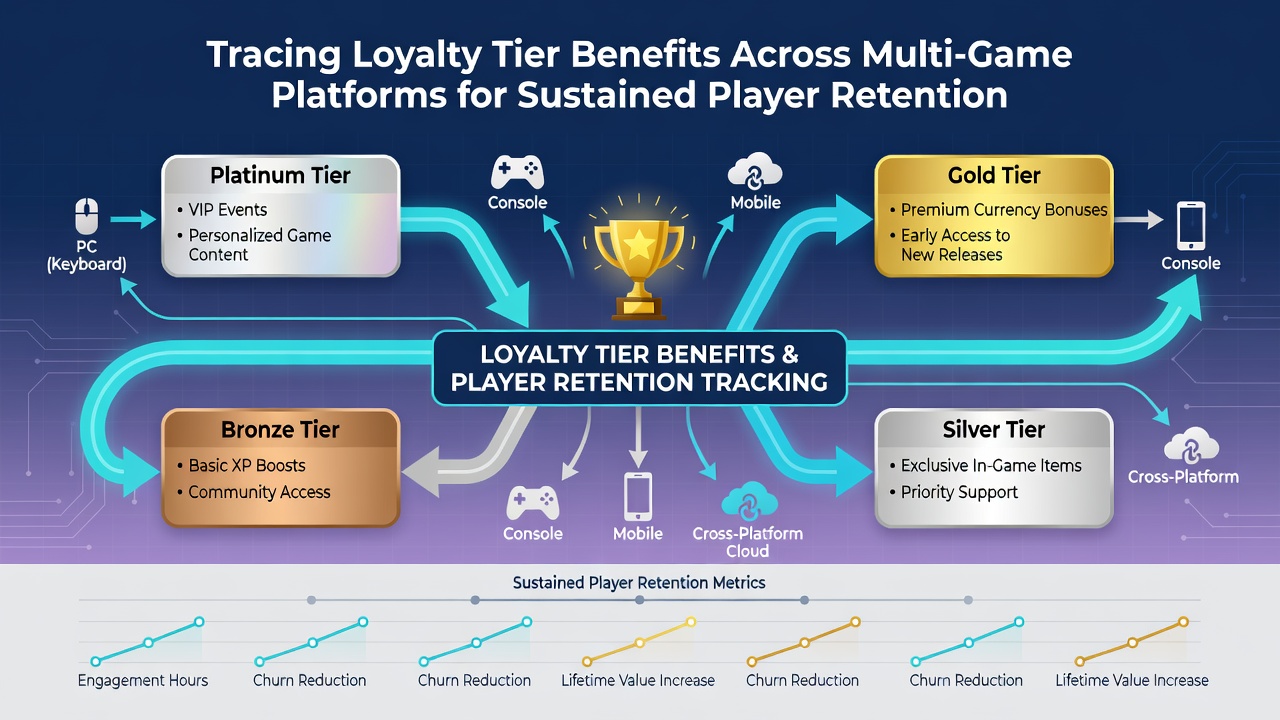
According to figures released by the American Gaming Association, integrated loyalty frameworks have shown measurable effects on retention metrics, with operators reporting that tiered users exhibit lower churn rates when benefits span multiple game verticals rather than remaining siloed, and similar patterns appear in reports from the Australian Communications and Media Authority tracking digital gaming behaviors across state-regulated platforms.
Those who have examined platform data note that August 2026 updates to several major systems introduced unified tracking dashboards that display tier progress alongside game-specific statistics, allowing participants to visualize how activity in one area accelerates rewards elsewhere while maintaining compliance with regional regulatory standards on responsible play features.
Retention Patterns and Tier Scaling
Evidence from longitudinal player tracking reveals that retention improves when benefits escalate predictably with tier movement, such as tier-three users receiving enhanced deposit match rates that apply across all game types or tier-four participants gaining access to dedicated account managers who coordinate personalized offers spanning slots and table games, and this scaling encourages gradual increases in overall engagement without abrupt jumps that might deter lower-tier participants.
But here's the thing: platforms that fail to synchronize tier benefits across game categories often see users fragment their activity, splitting time between separate loyalty programs and reducing total volume at any single site, whereas unified systems consolidate play and create compounding value through combined point pools that accelerate tier climbs.
Implementation Considerations Across Regions
Regulatory bodies in multiple jurisdictions have examined how loyalty tier transparency affects user decision-making, with requirements emerging for clear disclosure of benefit calculations that factor in activity from every supported game, and operators responding to these guidelines have adopted standardized reporting that details how points convert to tier status irrespective of game volatility or payout frequency.
Research indicates that sustained retention correlates with the perceived fairness of tier progression, particularly when players can track contributions from diverse sources like progressive jackpot slots and fixed-odds table games within a single interface, and this visibility supports longer-term commitment as users anticipate upcoming rewards tied to their overall platform usage.
Conclusion
Integrated loyalty tier systems continue to evolve as multi-game platforms refine methods for distributing benefits that span different gaming categories, with data showing consistent associations between unified progression mechanics and improved retention indicators across various markets, while ongoing adjustments in qualification periods and reward structures reflect efforts to balance operator objectives with player expectations for equitable recognition of activity regardless of preferred game type.