Patterns in Play: How Volatility Influences Deposit Behaviors in Regulated Online Gaming Platforms
Drew Schmitt · Oct 31, 2026
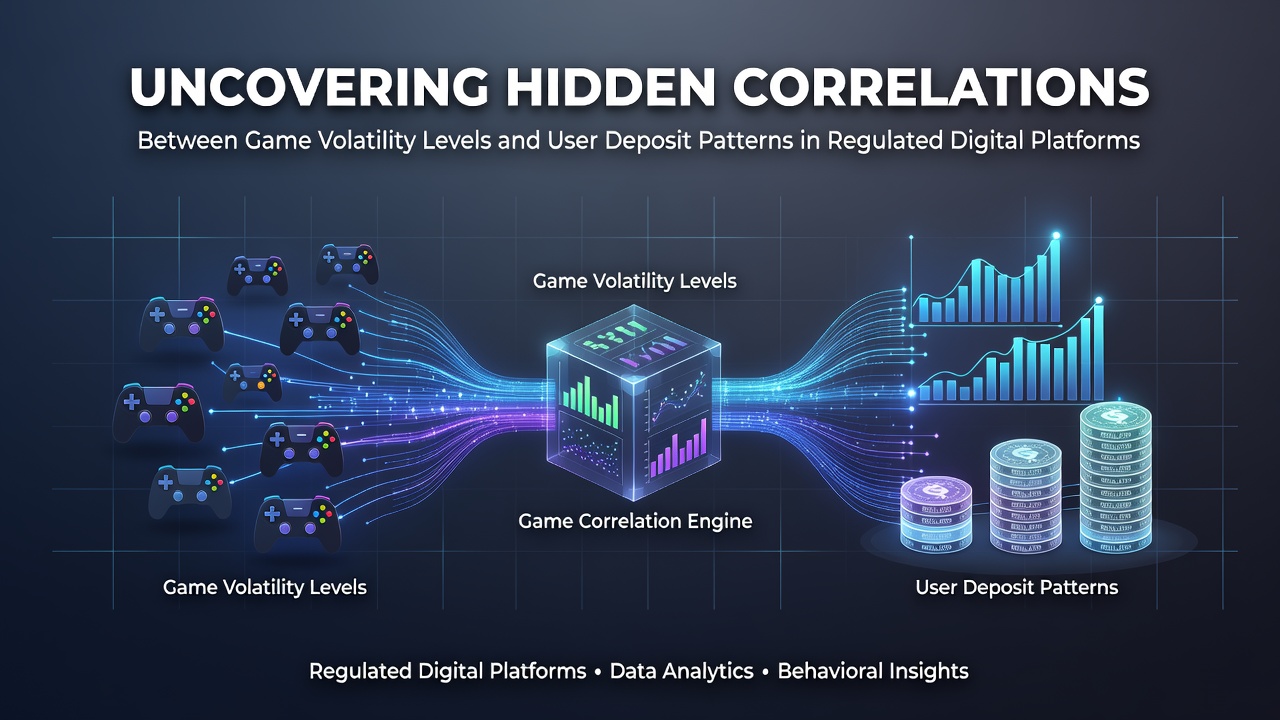
Patterns in Play: How Volatility Influences Deposit Behaviors in Regulated Online Gaming Platforms
Analyses of transaction records from licensed digital gaming operators reveal measurable links between game volatility categories and the timing plus size of user deposits, with high-volatility titles often corresponding to larger infrequent top-ups while low-volatility selections align with steadier smaller amounts. Researchers tracking anonymized data sets across multiple jurisdictions note these patterns emerge consistently in environments subject to strict licensing requirements, where operators must log every deposit alongside game selection metrics.
Defining Volatility Categories in Digital Slots
Game developers classify slot titles by volatility ratings that describe the frequency and magnitude of payouts, with low-volatility games producing smaller wins at regular intervals, medium-volatility options balancing both aspects, and high-volatility releases delivering infrequent but substantial returns. Platform operators record these ratings alongside player activity logs, which allows analysts to cross-reference volatility settings directly against deposit timestamps and amounts. Data compiled through October 2026 indicates that users who spend extended sessions on high-volatility games show deposit clusters spaced further apart, often exceeding average intervals observed among low-volatility participants by several days.
Deposit Frequency and Amount Distributions
Regulatory filings from operators in various regions document how deposit behaviors shift according to the volatility profile of the games dominating a user's activity. One study conducted by the Australian Gambling Research Centre examined over 2 million sessions and found high-volatility players averaged deposits of higher value yet initiated fewer transactions per month compared to those favoring low-volatility content. Medium-volatility selections produced intermediate patterns where deposit sizes and frequencies fell between the two extremes, creating a gradient that researchers continue to map against session length and game selection logs.
These distributions hold steady across different age brackets and geographic segments when examined within regulated systems, though absolute values vary by market currency and operator-specific minimums. Observers note that the correlation strengthens when sessions exceed thirty minutes, suggesting that prolonged exposure to volatility mechanics influences subsequent funding decisions rather than isolated spins alone.
Regulatory Data Collection Practices
Licensed platforms must maintain detailed records of deposits, withdrawals, and game interactions under frameworks enforced by bodies such as the Illinois Gaming Board and the New Zealand Department of Internal Affairs. These requirements create standardized data sets that third-party analysts use to identify trends without accessing personally identifiable information. Reports submitted in October 2026 highlighted how volatility metadata now forms part of routine compliance submissions, enabling more granular examinations of funding patterns across entire operator portfolios.

Integration of volatility tags into existing reporting systems occurred gradually, yet the resulting datasets now support statistical models that predict deposit timing with increasing accuracy. Operators in multiple jurisdictions apply these models internally to align responsible gambling tools with observed behaviors, though external researchers access aggregated summaries only through approved channels.
Cross-Jurisdictional Comparisons
Comparisons between North American and Asia-Pacific markets show similar directional relationships between volatility and deposits, even as absolute amounts differ due to local economic factors. A publication from the Australian Gambling Research Centre documented parallel trends in both high-volatility and low-volatility cohorts, while data shared by the National Council on Problem Gambling in the United States confirmed comparable spacing between deposits among players grouped by game type. Such consistency across regulatory environments suggests the underlying mechanics of volatility itself, rather than jurisdiction-specific rules, drive much of the observed variation.
Implications for Platform Design and Oversight
Operators adjust interface elements and responsible gambling prompts based on these documented correlations, placing additional checks before large deposits when high-volatility titles dominate recent play history. Regulatory updates issued through October 2026 encouraged further standardization of volatility reporting so that oversight bodies can monitor aggregate patterns without reviewing individual accounts. Industry associations continue to fund academic partnerships that refine the statistical methods used to isolate volatility effects from other variables such as bonus availability or promotional timing.
Conclusion
Transaction and session data from regulated digital platforms establish clear associations between game volatility levels and user deposit patterns, with high-volatility activity linked to larger yet less frequent deposits and low-volatility play corresponding to smaller, more regular funding events. Continued collection of standardized metrics across jurisdictions supports ongoing refinement of these findings, while external research organizations provide independent verification through aggregated analyses. These relationships remain observable in environments where licensing mandates comprehensive logging, offering a factual basis for future platform adjustments and regulatory monitoring.