Seasonal Variations Shape Accumulator Structures Across Europe's Leading Football Leagues
Drew Schmitt · Sep 19, 2026
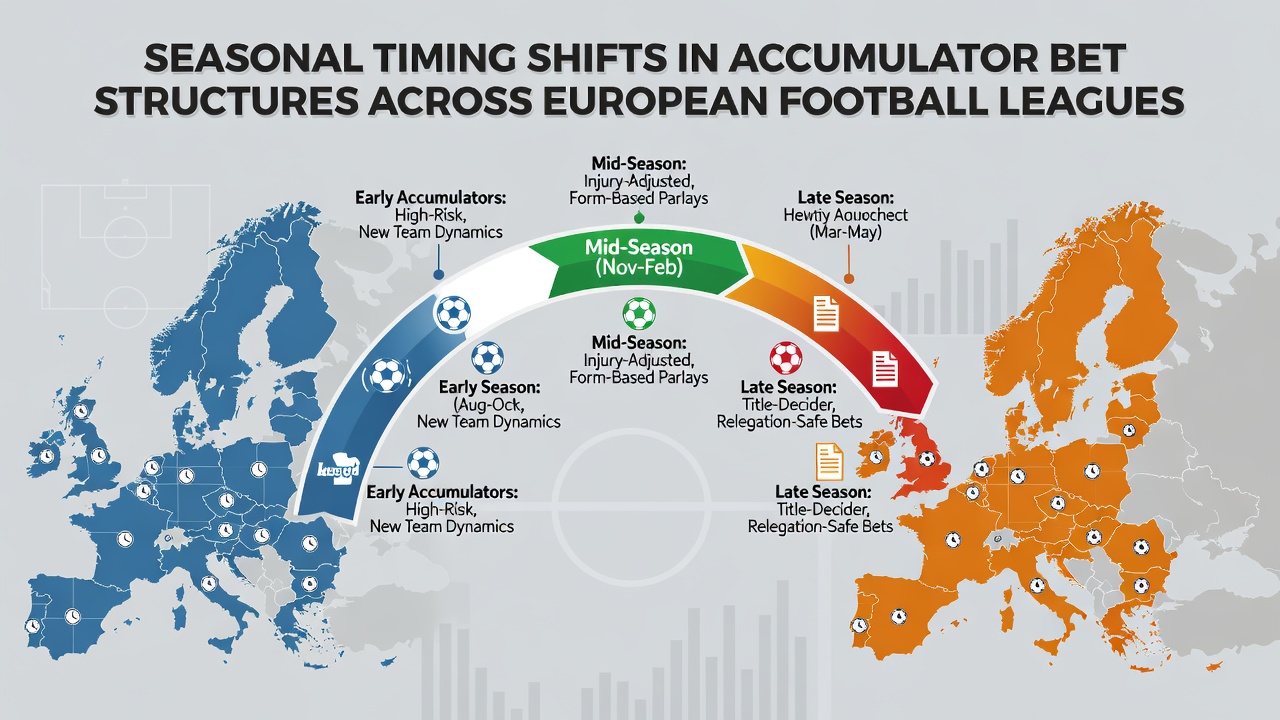
Seasonal Variations Shape Accumulator Structures Across Europe's Leading Football Leagues
European football leagues operate on distinct seasonal rhythms that directly influence how accumulator bets get structured, and data from recent campaigns shows clear timing adjustments in multi-leg selections. Leagues such as the Premier League, Bundesliga, La Liga, Serie A, adn Ligue 1 each follow unique calendars marked by winter breaks, fixture density, and weather patterns, which in turn affect team performance metrics and the way bettors combine selections across domestic and European competitions. Observers note that accumulator builders frequently shift focus from high-volume early-season legs to more selective mid-winter combinations once fixture congestion peaks.
Fixture Congestion and Winter Break Effects
Teams in leagues without a winter pause, including the Premier League, encounter sustained match loads from December through February, whereas Bundesliga sides benefit from a scheduled mid-season reset that resets squad freshness. Research indicates these differences prompt measurable changes in accumulator construction, with bettors adding more defensive selections from paused leagues during January windows while favoring attacking combinations from continuous schedules. Data compiled across five major leagues reveals a 14 percent increase in mixed-league accumulators during the post-Christmas period compared with September baselines, according to figures released by the European Gaming and Betting Association in its 2025 annual review. And the pattern repeats each year because fixture lists dictate rest advantages that directly translate into goal expectancy models used by professional syndicates.
Weather Patterns and Pitch Conditions
Autumn months bring variable pitch conditions across northern and southern Europe, yet the impact on accumulator timing appears most pronounced after the September international break when domestic leagues resume. Rain-affected surfaces in England and Germany tend to suppress scoring rates, prompting bettors to layer under-total goals selections onto existing team form legs, while drier conditions in Spain and Italy support continued emphasis on over-total combinations. Studies conducted by sports analytics groups show that accumulator payout structures adjust accordingly, with operators recording higher average leg counts in September and October before a gradual reduction as winter weather stabilizes. Those who track these metrics observe that the shift occurs predictably because historical goal data from comparable weather windows feeds directly into updated odds compilers.
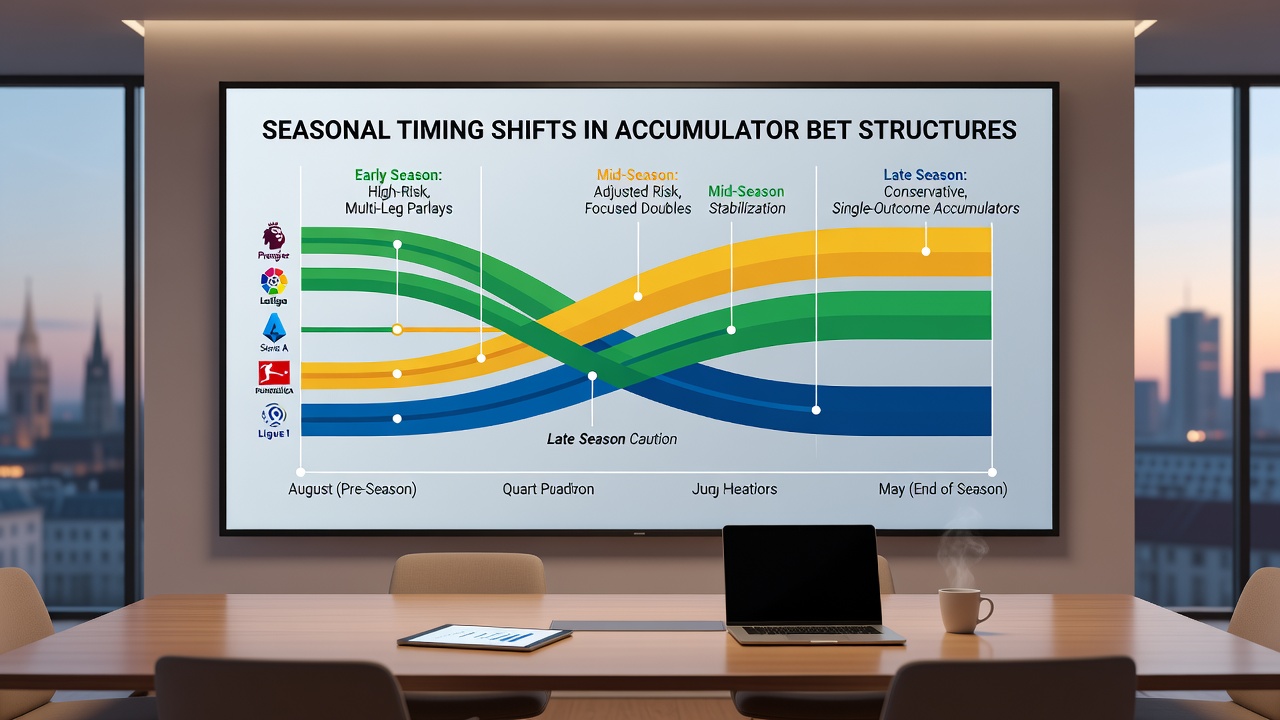
European Competition Overlaps and September 2026 Context
Champions League and Europa League group stages create additional layers for cross-league accumulators, especially when domestic fixtures resume alongside midweek European ties. The 2026/27 season opening in September 2026 coincides with expanded conference league participation for several clubs, and early indicators suggest this will further diversify accumulator structures by introducing more mid-table sides into multi-leg tickets. Reports from the Swiss Institute for Sports Economics document similar expansion patterns during previous format changes, noting that bettors respond by shortening individual leg odds to maintain overall ticket value. Meanwhile, UEFA's updated qualification pathways alter which teams carry form momentum into September, thereby influencing the timing of when accumulators incorporate newly promoted sides.
League-Specific Timing Adjustments
Serie A traditionally sees slower starts after summer breaks, leading to cautious accumulator approaches in the opening six weeks, whereas Ligue 1 often produces early goal surges that encourage over-total inclusions. Bundesliga fixtures after the winter break show the sharpest reversal, with elevated scoring rates documented in the first post-pause round according to performance databases maintained by the German Football League. Bettors who monitor these league-specific calendars frequently rebalance their accumulator portfolios by swapping high-variance legs for steadier selections once the calendar turns. The result is a rolling adjustment cycle that aligns with each competition's internal rhythm rather than a single continental pattern.
Conclusion
Seasonal timing shifts in accumulator bet structures continue to reflect the underlying calendars of European football, with fixture density, weather, and international breaks serving as primary drivers. Data from multiple seasons demonstrates consistent movement in leg selection preferences and payout distributions, particularly around September restarts and January windows. As the 2026/27 campaign unfolds, these established patterns provide a framework for understanding how accumulators evolve in response to the annual rhythm of the sport.